01
A seller names their community
Every listing in the catalogue names the community the work belongs to, as that community names itself. It is one field on the seller form, and it is the field the whole loop turns on.
Market · shelf three · shopfronts
A reader finishes an article about Lebanese Ottawa and wants the bread. A reader learns what a rushnyk is and wants to hold one. A community shopfront is the page that closes that gap: the makers, cooks and musicians of one community in one place, opening straight out of the article that explains their work.
No shopfront open yet · the catalogue opens spring 2027 · current as of 29 August 2026
| Line | State |
|---|---|
| Shopfronts open | 0 |
| Articles in draft | 3 — all awaiting a community signature |
| Opens | Spring 2027, with the catalogue |
| Who opens one | A community, with us |
| Cost | None |
| What it needs | An article in Cultures to hang off |
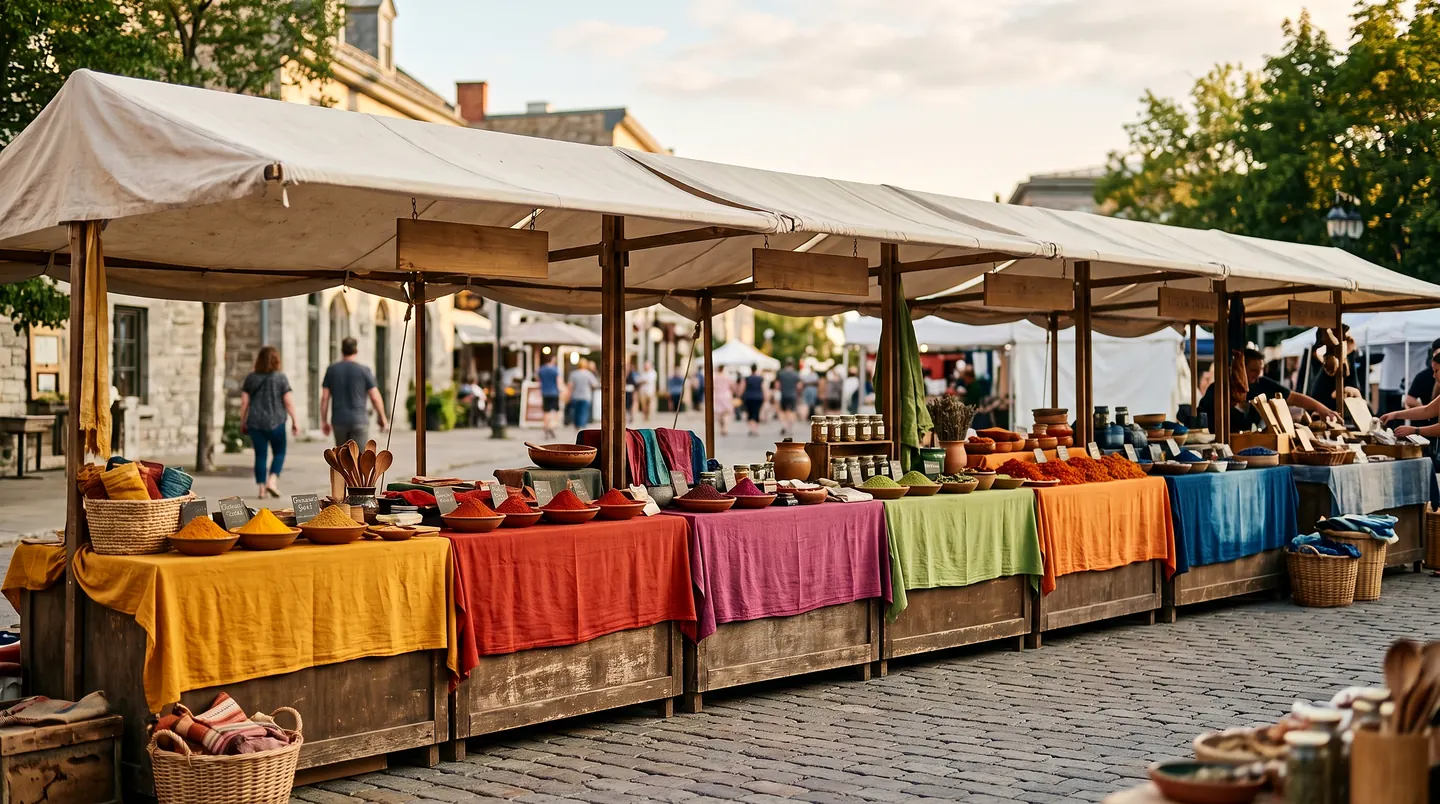
An ordinary marketplace sits beside a festival and shares nothing with it. This one is wired into the encyclopedia in both directions, which is what makes a listing findable by somebody who did not know they were shopping.
Four steps · each one is a link that goes both ways
The loop · a marketplace that feeds an encyclopedia
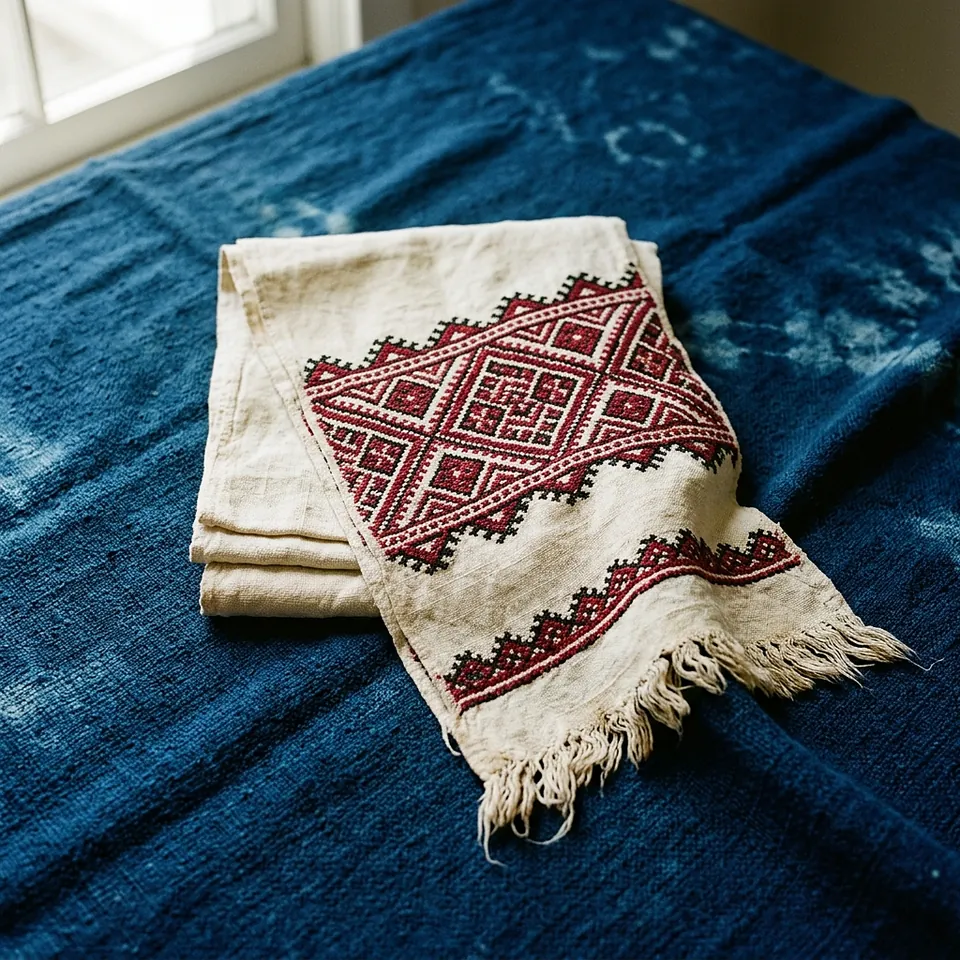
All three are drafts, and every one of them waits on a reading, a correction and a signature from an organisation in that community. The rest of the encyclopedia is unwritten.
Cultures · three drafts · community review pending on each
The roll-call below is a picture of Ottawa. No community on it has been asked for a pavilion, and none of them has a shopfront yet. Whichever one writes first gets the first article and the first shopfront.
A roll-call of communities · never a line-up, never a promise
Communities that already cook in this city · no community has been asked yet and no pavilion is confirmed
The article explains the work and the shopfront sells it, and each of them carries a reader straight to the other.
A shopfront is opened with a community. Somebody speaks for the group, the article gets written with them, and the sellers come in behind it.
Five steps · the first one is a conversation, not a form
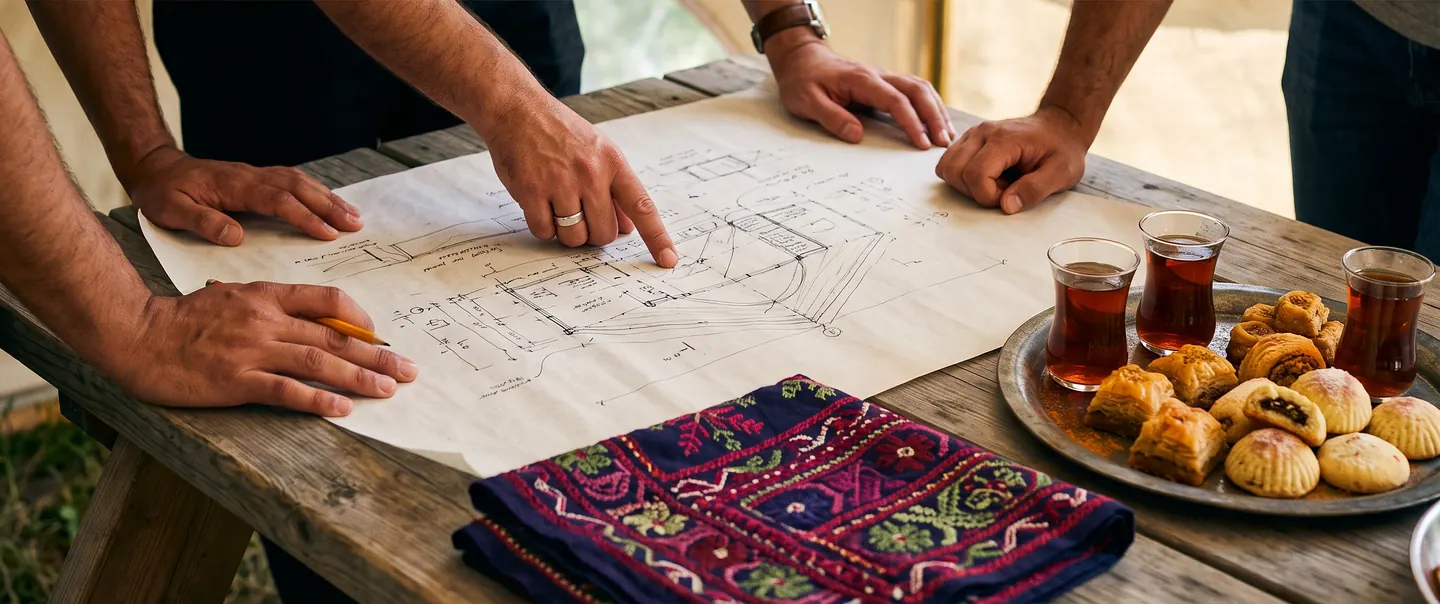
Market · shelf 03 of 03
No. A handful of makers who know each other is enough. What is needed is somebody willing to be the contact and to sign off the article.
Yes. Name your community on the seller form and the listing stands on its own. The shopfront gathers those listings on the day the community opens one.
The seller does, and the community can query it. Where a craft or a symbol belongs to one community and is being sold as another's, we ask the community concerned before deciding.
Both, if that is the truth of it. A listing can name more than one community, and the honest answer serves a reader better than a tidy one.
One message, and it comes down. The listings underneath it stay with their sellers unless they ask otherwise.
One page for the bakers, the seamstresses and the musicians, sitting under the article that explains the work.