
Cultures · the strand across every shelf
Crafts& kitchensin Ottawa.
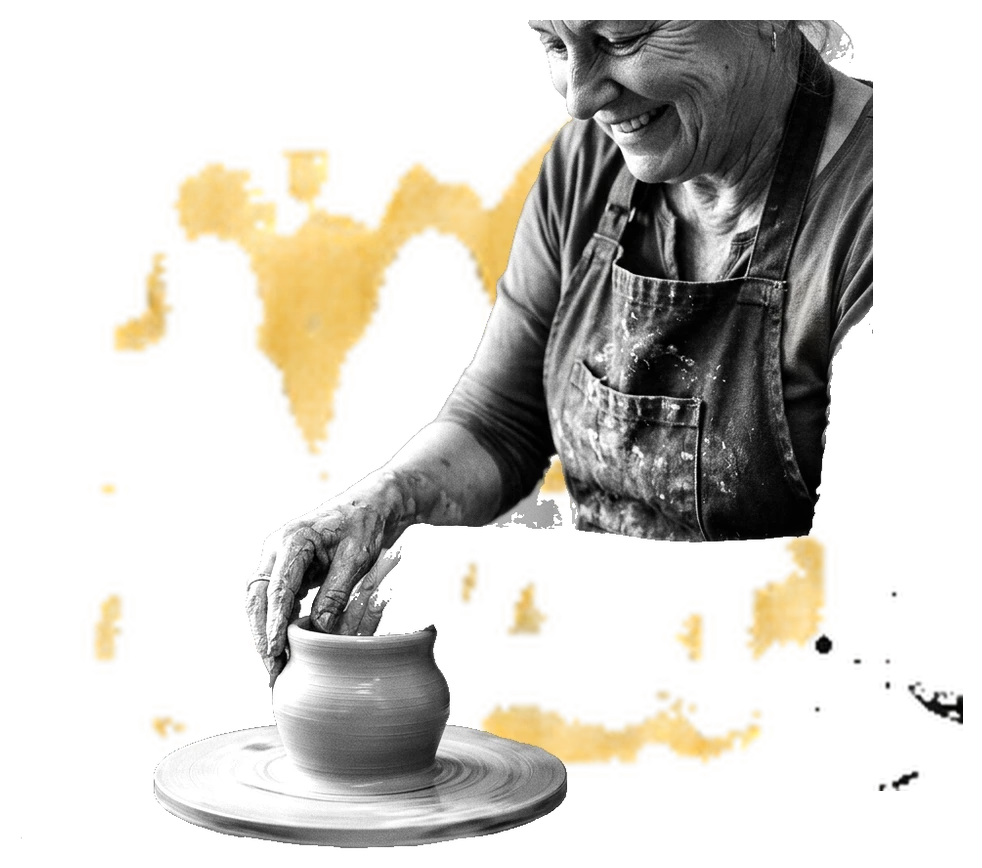
An egg written in wax, a shirt embroidered by region, hammered copper, shell cut into window panes, bread pressed out by hand. Every one of these belongs to several communities at once, so each gets an article of its own that links back into all of them.
Planned · winter 2027 · the makers decide what gets written first
Five strands to start with.
Each strand gathers a technique that turns up in more than one kitchen and more than one workshop in this city.
The starting list · a strand missing from it gets added when a maker asks
- Written and dyed. Pysanka, batik, block printing, resist dyeing — wax and colour used to hold a pattern in place.
- Thread. Embroidery, lace, weaving, piña cloth. A stitch reads as a region to anybody who knows how to look.
- Metal and glass. Hammered copper and brass, blown glass, cut shell, wood inlay.
- Bread and sugar. The doughs, the syrups and the festival sweets every kitchen ends on.
- Light. Lanterns, candles, and the star that goes up in December in more than one calendar.
How a craft article gets written.
A community article is written with a community. A craft article is written with the people whose hands do the work, and it carries their names for the same reason.
Four steps · the same rule as every article in this section
A maker names the craft
A workshop, a teacher, a family that has made the same thing for four generations. Tell us the craft, where you practise it in Ottawa, and what people here get wrong about it.
We watch it being done
An afternoon at the bench or the table, photographed with permission. The description of a technique is worth reading only when somebody who does it has checked every step.
The makers approve the text
Every named maker reads the article before it publishes, and that approval is the condition of publication. A correction goes in as sent.
It links both ways
The craft article links to the community articles it belongs to, those articles link back, and a maker who sells can take a pitch on the festival's craft row.
Nothing here publishes over anybody's head
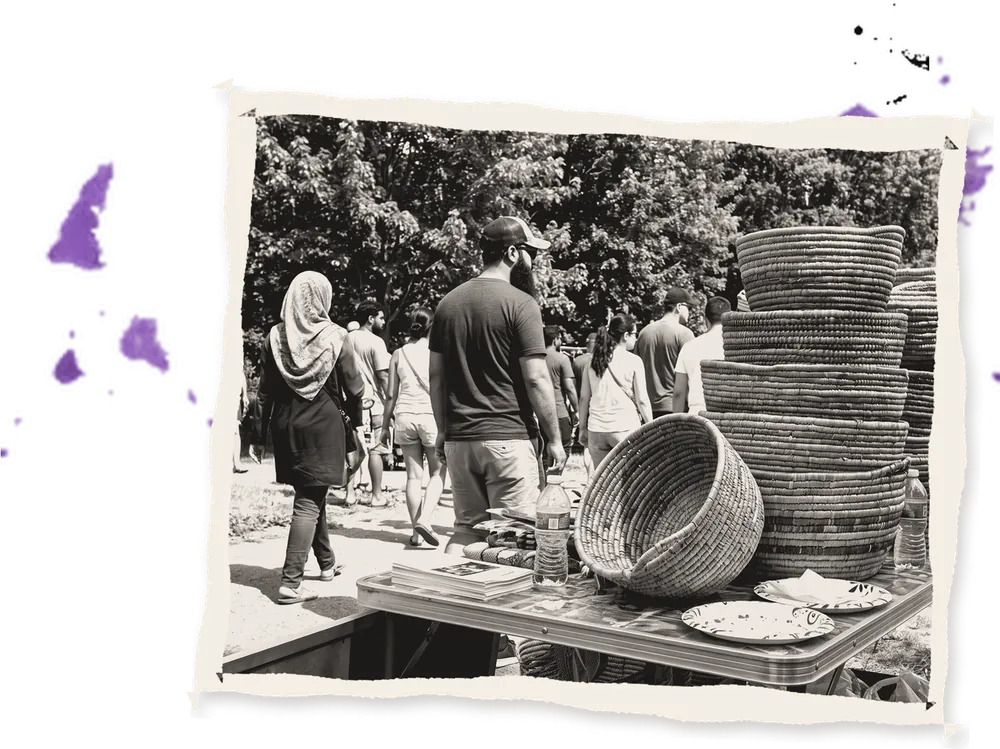
A craft is described by the hands that do it, and the article goes out with their names on it.
Where this stands today.
Zero craft articles are written, and the order moves when the makers move it.
Content plan · Capital Cultures editorial, August 2026
- NowNowThe list is open and the editor's inbox is openA maker who wants their trade written first says so, and it goes to the top of the list.
- Autumn 2026PlannedThe first community articles carry a crafts section eachEvery community article names what that community makes by hand. Those paragraphs are where the craft articles come from.
- Winter 2027PlannedThe first three craft articlesPysanka, embroidery and weaving are the working shortlist, and the makers who answer first can change it.
- September 2027PlannedA craft table in every community pavilion that wants oneThe pavilion shape offered to every community includes a craft table, and it costs the community nothing.
The shelves this strand crosses.
The communities standing on these shelves are the hands behind this work, and the pavilion offered to each of them in 2027 includes a craft table for anyone who wants one, at no cost to the community.
Five regions · one strand
Middle East & Maghreb
58,180 residents counted as Arab, and Ottawa's largest non-official mother tongue. Census 2021.Africa
The largest and youngest racialized group in the city, and the shelf with the most left to write. Census 2021.South & East Asia
China and India are the two largest birthplaces in Ottawa. Census 2021.Eastern Europe
A century-deep diaspora and a wave the May 2021 census closed too early to count.Latin America
14,350 residents counted as Latin American, and Spanish third among mother tongues. Census 2021.All cultures
The index, the open drafts, and how an article starts.
5 region shelves · 40 community names standing on them · three drafts written so far
Your craft, written properly.
Name the trade, name who does it in Ottawa, and tell us what this city gets wrong about it. Two paragraphs are plenty to start, and the editor answers every letter.