Capital Cultures
Ottawa · Canada Get the lettersThe letters FR

Join · 02 of 06 · vendors & the craft row

Take a pitch on the capital's food street.

Two doors, two rulebooks. A food pitch runs with a licensed kitchen behind it. The craft row is juried on one question — did you make this? Applications open in winter 2027, and the waiting list is open today.

Our plan for 7–8 August 2027 at LeBreton Flats, subject to permits · rates are being set

Where a pitch stands today.

Trade is the part of this festival with the most law attached and the fewest numbers settled. Both halves of that are on one table.

Status · 28 August 2026 · rewritten the day a line changes

Where this page stands today. Anything ahead of today is our plan and says so.
ItemWhere it stands
Two doorsA food pitch with a licensed kitchen behind it, or a juried place on the craft row
The feeFlat and paid up front · our rate is being set inside the corridor on this page
ApplicationsWinter 2027, with the terms and the form
The waiting listOpen today · costs nothing, commits nobody
Insurance$2,000,000 certificate naming the festival, the City of Ottawa and the NCC · the real gate
Public healthEvery food point permitted by 24 July 2027 or it does not open
AlcoholOut of the first edition entirely · settled
Bottled waterOne festival line at one price across the field · settled

Two rows, two rulebooks.

Food answers to a public-health rulebook and a licensed kitchen. Craft answers to a jury. Both answer to the same insurance certificate.

How we intend to run the trade side · 2027 would be the first edition

Vendor pitches · community pavilions run under separate terms

01

Food pitch

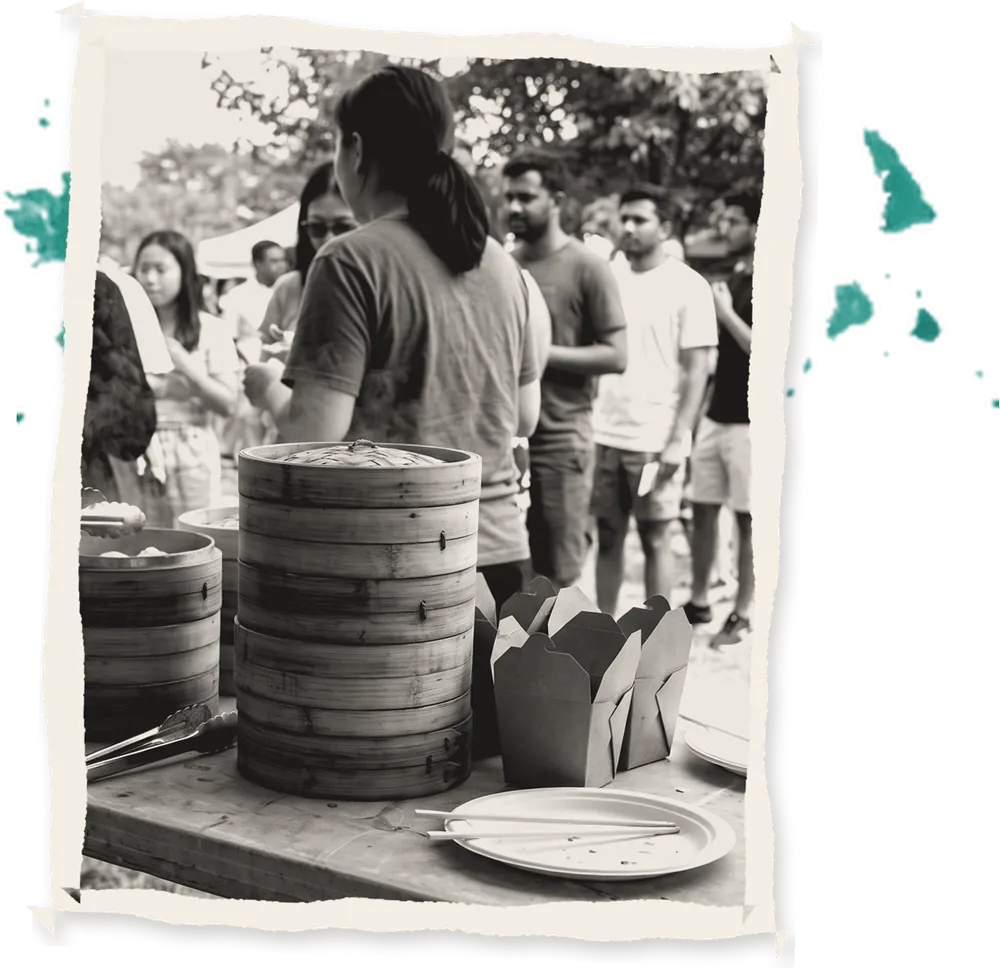
You cook in an approved commercial kitchen, and the field is where you hold, assemble and serve. One certified food handler stands on the point in every operating hour, and the public-health application for your pitch is yours to file.
02

Packaged food

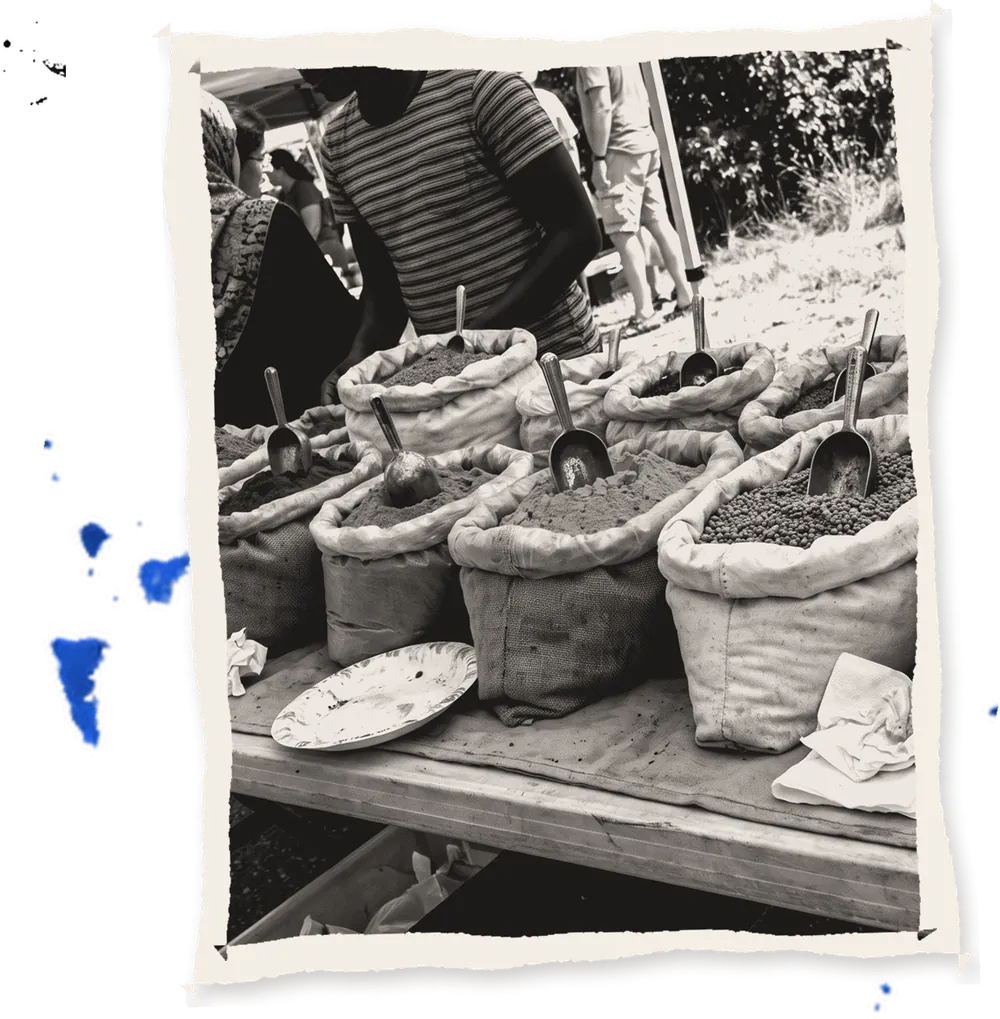
Sealed, shelf-stable goods — spice blends, preserves, coffee beans, honey, sweets. Lighter kit, lighter kitchen requirement, and still a conversation with Ottawa Public Health about how it is stored and sold.
03

The craft row

Embroidery, pysanka, weaving, ceramics, jewellery, instruments. The jury asks one question of every application: did you make this? Resale is refused at that stage, and a row that fills with resale stops being a craft row inside a month.
04

What a pitch buys

Ground, frontage, your place on the published site map and your line on the approved price list. Power is metered and sold by the outlet. Everything else on your pitch arrives with you.
05

What we run ourselves

Bottled water is one festival line at one price across the whole field. The first edition serves no alcohol at all. Community pavilions pay no pitch fee and keep every dollar over their own counter, which is a different arrangement from yours and says so out loud.
A stallholder wrapping a stoneware mug in paper at a market counter, glazed mugs stacked on crates behind, folded blankets and indigo-printed cloths along the front of the stall, shoppers passing out of focus.
A counter on the craft row, wrapping what somebody made

What a pitch costs in this city.

Our own rate is being set inside the corridor below and publishes with the terms in winter 2027. Every figure on this table belongs to another festival and names it.

Published 2026 rates · three festivals in and around Ottawa

Pitch rates published for the 2026 season by other festivals. Capital Cultures sets its own rate inside this corridor and publishes it with the vendor terms.
FestivalPublished rateWhat that rate covers
Capital Pride Ottawa 2026$400 / day · $700 / weekendThe pitch alone · power, water and the health permit are the vendor's own.
Ottawa Bluesfest 2026$10,000 / 9 days ≈ $1,111 a dayPrep area, grey water, security, an oil bin · $3,500 deposit · headliner traffic earns it.
Stewart Park Festival, Perth$235 + HST / 3 days ≈ $78 a dayA juried ten-by-ten craft pitch · $2,000,000 certificate naming the parties.
Fiestaval, power line$50 per outletOne 10 A / 110 V outlet off the festival's distribution · generators refused.
  • The rate is flat and paid up front. A rained-out day stays your risk under a flat rate, and this page says so a year before anybody signs.
  • A craft pitch is smaller and cheaper than a food pitch. The Perth line above is the benchmark ours sits against.
  • Power is metered and sold by the outlet, and the draw you declare on the application is the draw we build the distribution for.
  • Community pavilions pay nothing and keep everything they take. A community that spends a year building a pavilion is doing a different job from a trader taking a weekend pitch.

Papers before pitches.

Six documents decide whether a pitch opens. Four of them are yours, and the two hardest ones take weeks, so they are on this page a year early.

What a vendor files for the 2027 edition. Dates are ours, and they move only if the festival date moves.
DocumentWho files itWhen
Certificate of insurance, $2,000,000 CGLYou, through your brokerWith the signed pitch agreement · 28 July 2027 at the latest
City of Ottawa and the NCC as additional insuredYour insurerSame certificate · 30-day cancellation notice
Ottawa Public Health special-event applicationEvery food vendorFree · about two weeks · our packet closes 24 July 2027
Food handler certificateYouOne certified handler on the point, every operating hour
Signed pitch agreement and the feeYouBefore the site plan is drawn, so your frontage and power land on it
Menu or object list, with pricesYouWith the application · one approved list covers the field
  • The festival files the rest. Site plan and emergency plan to the NCC, the electrical notification to the ESA four to six weeks out, the city services bill, the permits for the ground itself.
  • An ESA inspector can cut power to anything undeclared. The distribution is built from the draws on the applications, and a fridge that appears on the morning has nowhere to plug in.
  • Every food point on the field is permitted by 24 July 2027 or it does not open. That is a hard date, and it applies to a community pavilion exactly as it applies to a trader.

Power, water, load-in, hours.

The ground is a park on federal land with no services in it. Everything below is what we intend to build across it, and the exact times publish with the site map in spring 2027.

A numbered wooden stake marking a pitch on the grass, its corners taped out in yellow, red and pink, a folded tent and its poles bundled beside it, people walking away across the field towards the Parliament skyline in morning haze.
A numbered stake and taped corners marking one pitch on the grass

01 · services

Off our distribution

Power comes off the festival's own distribution and is sold by the outlet: 10 A at 110 V, declared on your application, cabled to your frontage before load-in. Generators stay off the field for noise and for fire clearances. Taps and refill points go onto the site map before anything else does, and a kitchen that needs more than a tap brings its own tanks.

  • Load-in runs in windows before the gates each morning, load-out after they close. Vehicles are off the grass by the time the field opens. The windows publish with the site map in spring 2027.
  • Tents stand on weights. Fixing anything to a tree or a lamp post is refused on NCC land, and the ground crew will say so once.
  • Tent spacing is a permit question, so the map answers it. A 20 by 40 foot tent is 74.3 m², and three of them pitched closer than ten feet apart sum to 223 m² against a 225 m² building-permit threshold. Spacing them costs nothing and keeps a ninety-day engineering track closed.
  • Your signage is bilingual, English first. Bilingual signage is a condition of using NCC land, and it covers your menu board as much as our wayfinding.
  • The operating day is nine hours. Opening and closing times settle with the permit window, and the sanitation, security and staffing plans are all built on that nine-hour day.
  • Grey water, cooking oil and waste go to marked points, and the collection plan publishes with the terms.
  • Three rules cover everyone on the field. State flags stay off the masts and live in costume, ornament and the way a stand is dressed. Campaigning, petitions and solicitation are closed for the weekend, and that is announced at the gate. Your assortment is agreed with the festival office before you open.

The dates a vendor works to.

Two of these are hard: the public-health packet and the insurance certificate. Missing either one closes a pitch, and no amount of goodwill on the day reopens it.

  1. NowNow The waiting list Say what you sell, what you bring and what you need. Terms, rates and the form reach this list before anyone else.
  2. Winter 2027Planned Applications open Terms, the rate, the requirements and the form, all on this page.
  3. Winter 2027Planned Vendor briefing and the academy Layout, fire and food-safety rules, load-in, the price list and who to call on the day. A trader takes Event accessibility, Handling food on a field and Safety on the ground at the participant academy, which opens in the same wave.
  4. Spring 2027Planned Site map and the approved price list Your frontage, your power, your load-in window, and the one list the whole field prices from.
  5. 24 July 2027Planned Public health packet closes Every food point on the field is permitted by this date or it does not open.
  6. 28 July 2027Planned Certificates of insurance due Ten days before the gates, naming the festival, the City of Ottawa and the NCC.
  7. 7–8 August 2027Planned Two days on the field Our plan is 7–8 August 2027 at LeBreton Flats, subject to permits. Nothing is booked until the City and the NCC say yes, and this page says so the day it changes.

Questions.

The ones traders and makers send before they commit an evening to an application. Anything missing goes in the last box of the waiting-list form, or straight to the office.

hello@capitalcultures.com

When can I actually apply?

Winter 2027, when the terms, the rate and the form publish together. The waiting list on this page is the queue, and it gets all three first.

What will a pitch cost me?

The number is being set. The corridor it sits inside is on this page, taken from what other festivals in and around Ottawa published for 2026: $400 a day for a food pitch at Capital Pride, about $78 a day for a juried craft pitch at Stewart Park in Perth. Ours publishes with the terms.

I have no insurance. Is that the end of it?

It is the one thing that stops a small maker, so it is the one thing we are working on first. Say on the waiting list that you carry no cover, and you count toward the group policy or the broker partner we are trying to put in place before applications open.

Can I bring a generator?

Generators stay off the field. Power comes off our distribution and is sold by the outlet, and the draw you declare is what gets cabled to your frontage.

Can I sell bottled water or alcohol?

Bottled water is a single festival line at one price across the field. Alcohol is out of the first edition entirely — it doubles the sanitation requirement, adds a police sergeant to every hour and a liquor layer to the insurance, and year one spends that money on the food street instead.

I only sell craft. Do I still need public health?

Nothing edible on your table means no public-health application. The jury and the insurance certificate still apply, and both are on this page.

Do I have to be from one of the communities?

The craft row is juried on whether you made the object, and the food street is judged on what you cook and how safely you cook it. A card on the row carries the maker's name and, where there is one, the community the craft comes from.

Join the vendor waiting list.

This is the queue that exists today. It costs nothing, commits nobody, and it is the first place the terms, the rate and the application form land in winter 2027.

Intake 02 · vendors & makers · answered by a person

The form asks what you sell, what you bring, the power it draws, where you stand on insurance and how far along you are with public health. Ten minutes with the answers to hand. The application page lists what to have ready before you start, and it is the only copy of the form.

a folded cloth on indigo covered edge to edge in orange, pink, green and yellow floss-silk star-flowers, one corner turned back to show the reverse and the plain woven border
A cloth embroidered edge to edge in floss-silk star-flowers, one corner turned back