
Journal · Stories · 27 August 2026 · six minutes
Why Ottawaneeds this.
This city throws seventeen good parties every summer. Most of them belong to one community, the rest belong to the season or the city itself, and none of them puts the communities on one field together. Here is the argument for a weekend that does.
Written by the Capital Cultures organisers
Start with the calendar.
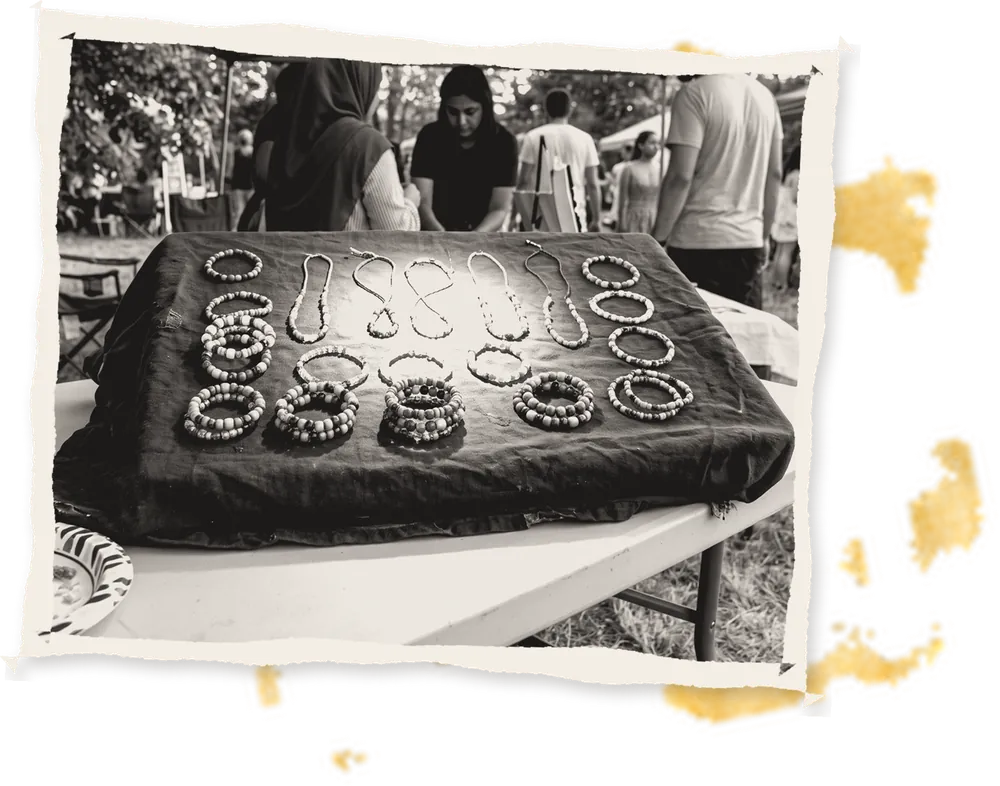
Walk the Ottawa summer from May to September and the pattern comes at you in order. Tulips in Commissioners Park. The night market on Somerset. Italian Week on Preston Street. Dragon boats at Mooney's Bay.
The city already knows how to do this
The Lebanese festival takes the parish grounds off Ridgewood every July, and 2026 was its thirty-sixth year. GreekFest holds two weekends on Prince of Wales. Carivibe, Latin Sparks, AfroFestival, the Capital Ukrainian Festival, Ottawa Asian Fest and Kanata's own multicultural weekend fill in the rest of the season.
Every one of them is run by people who have done it for years. Each has a base, a mailing list, a volunteer core and a kitchen that knows exactly what it is doing. The craft in this city is real and it is already paid for.
Ottawa has no weekend where all of that stands in one field at the same time. We want to build one. This piece sets out why we think the argument holds, and where our own case is still thin.
Seventeen festivals, and no shared weekend.
We read the 2026 season off the organisers' own listings and wrote it down. It runs from May to September, one community or one season at a time, and no weekend in it puts the communities together.
Our audit of the Ottawa festival calendar · August 2026
| When | What | Where |
|---|---|---|
| 30 Jan – 16 Feb | Winterlude | Confederation Park and the canal |
| 8 – 18 May | Canadian Tulip Festival | Commissioners Park |
| 29 – 31 May | Chinatown Night Market · Asian Fest | Somerset Street West |
| 11 – 13 Jun | Festival Franco-Ontarien | Major's Hill Park |
| 11 – 21 Jun | Italian Week | Preston Street |
| 19 – 21 Jun | Dragon Boat Festival | Mooney's Bay |
| 19 – 28 Jun | Ottawa Jazz Festival | Confederation Park |
| 9 – 19 Jul | RBC Ottawa Bluesfest | LeBreton Flats Park |
| 15 – 19 Jul | Ottawa Lebanese Festival | St. Elias grounds, Ridgewood |
| 23 Jul – 2 Aug | Ottawa Chamberfest | Concert halls |
| 4 – 12 Aug | — the list is empty — | — |
| 13 – 23 Aug | Ottawa GreekFest | 1315 Prince of Wales Drive |
| 22 – 30 Aug | Capital Pride | Downtown |
| 23 – 30 Aug | Capital Ukrainian Festival | Lansdowne Park |
| 28 – 30 Aug | Ottawa African Festival | Britannia Beach Pier Park |
| 5 Sep | Latin Sparks | LeBreton Flats Park |
| 11 – 13 Sep | AfroFestival Ottawa | Mooney's Bay |
| 16 – 20 Sep | CityFolk | RA Centre |
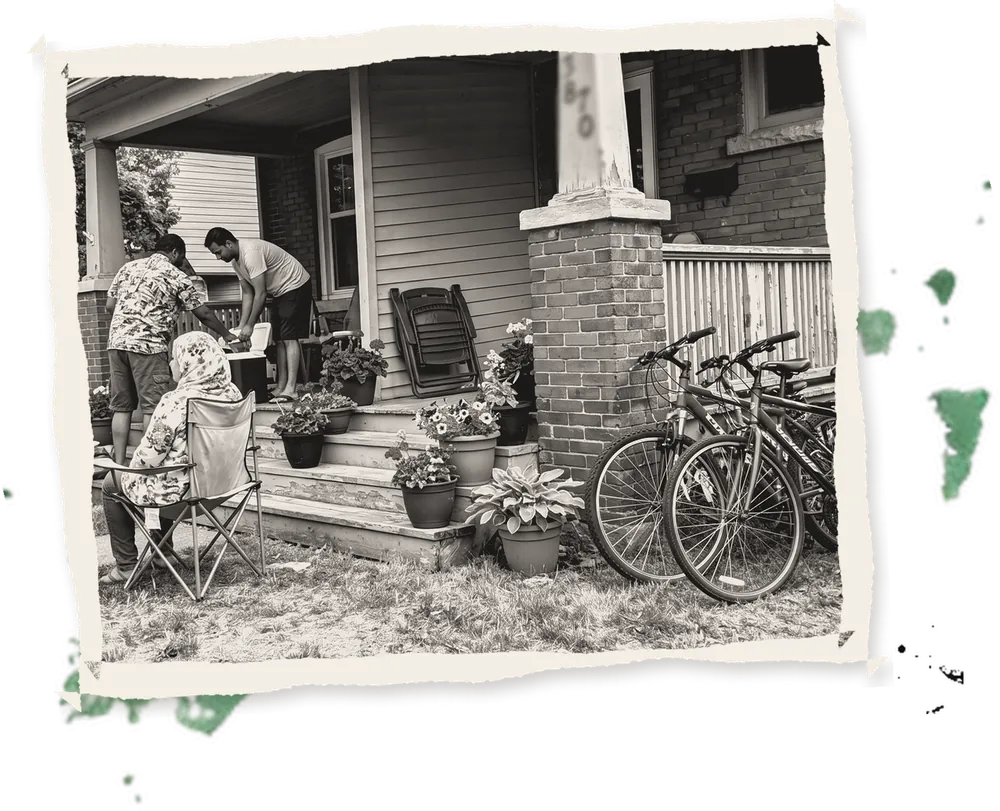
Two things come out of that table. The first is that Ottawa knows how to do this. Ten of the seventeen belong to one community each, run on their own money, with their own people, and the audiences turn up. The skill we would need already exists inside these organisations.
The second is the calendar itself. When this piece first went up, in August 2026, the week of 4 to 12 August held nothing and the first edition was planned for it. Update, 28 September 2026: the first edition has moved to a weekend in September 2027, exact dates to be confirmed with the permits. September has festivals of its own: Latin Sparks, AfroFestival and CityFolk all hold weekends in it. We do not want the first edition to land on a weekend a community festival already holds, and the dates are set with that in mind and with the permits. They go up here the day they are fixed.
Seven of the seventeen belong to no single community — Winterlude, the tulip festival, the jazz festival, Bluesfest, Chamberfest, CityFolk and Capital Pride are the season, the music or a movement. The other ten are one community each, and that is the pattern this weekend is answering.
One more line in that table matters operationally. The big summer festivals leave behind a city that has trained several thousand volunteers, which is the reason the volunteer pages are written the way they are.
Who actually lives here.
The 2021 census counts the city we are describing. These are the figures we plan against, and every one of them names its source in the line.
Census 2021, Statistics Canada · City of Ottawa
Four groups carry most of that weight. Black, Arab, South Asian and Chinese residents together number 246,940 people, three quarters of everyone the census counts as racialized in this city. Ottawa's Black community is both the largest and the youngest of them, with a median age of 27.6 against 39.2 for the city as a whole, and it grew by 40.8% between the 2016 and 2021 censuses.
Then there is the line that surprises people from Toronto. Lebanon is the fourth birthplace on Ottawa's immigrant list, with 11,900 residents born there — a rank it holds in no other large Canadian city. We wrote that one up on its own page: Lebanese Ottawa, part of the Cultures section, where each community gets an article that lives on whether or not a pavilion is ever built.
A city built like this deserves a weekend built like this. The demography is the argument, and it is on the public record.
Diplomatic missions accredited in Canada
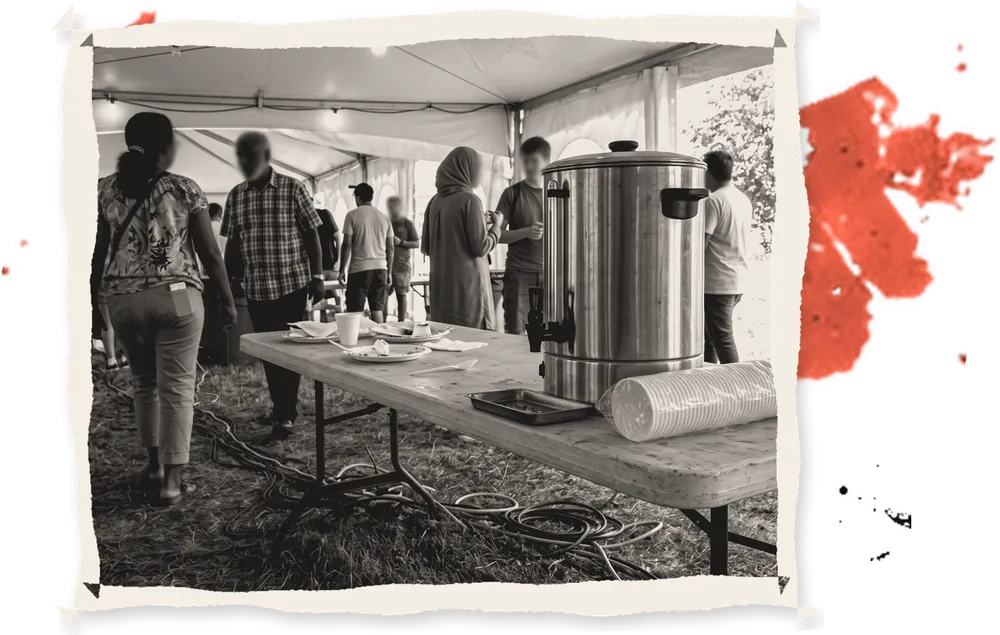
This is the capital, so the embassies are here. 130+ missions are accredited in Canada and the great majority of them are resident in this city, and no other city in Canada can copy that. A world festival here can reach that many cultural programmes with that many letters.
Global Affairs Canada · resident diplomatic missions accredited in Canada, the great majority of them in Ottawa.
Missions · programme partners and sponsors, never pavilion holders
We hold that advantage carefully. A mission joins as a programme partner for a specific act, or as a sponsor in the ordinary sponsor list. Pavilions themselves are operated by incorporated non-profits with local boards, and by nobody else. Both Canadian festivals of this shape — Folklorama in Winnipeg and Carassauga in Mississauga — are built the same way, and the Ottawa festivals that work with missions keep them on the sponsor page.
The reason is plain. Money from a mission buys more than an artist; it buys the mission a claim on the pavilion, and it hands anyone in opposition to that government a reason to treat the festival as its address.
Ottawa did this once already.
Carnival of Cultures ran from 1992 in front of City Hall, and it was very close to the thing we are describing. It is gone, and the record does not tell us why.
Our research file · what is known and what is missing
What it was
Carnival of Cultures, also listed as Ottawa's International Folkloric Festival: three days on Marion Dewar Plaza in front of City Hall, more than four hundred performers, directed by Tony Yazbek. Its own description names seventeen communities — Sri Lankan, Venezuelan, Filipino, New Zealander, Lebanese, Mexican, Chinese, Scottish, Caribbean, Japanese, Colombian, Egyptian, Latin American, Inuit, Polish, Russian and Greek.
What happened to it
It stopped. The festival does not run today. The year it closed is unknown to us: one database gives 2014, we have found no primary source behind that date, and we hold the year open until somebody shows us the record.
Why it stopped
Unknown. This is the single most expensive gap in our whole research file, and we say so in the file itself. The configuration we are proposing existed in this city and ended; whoever knows why saves us the cost of learning it twice.
How we intend to close it
Tony Yazbek through the Ottawa Festival Network, the Ottawa Citizen archives, and the corporate record of the organisation that held it. One conversation probably settles the whole question.
Predecessor · record and gaps, August 2026
Where our case is thin.
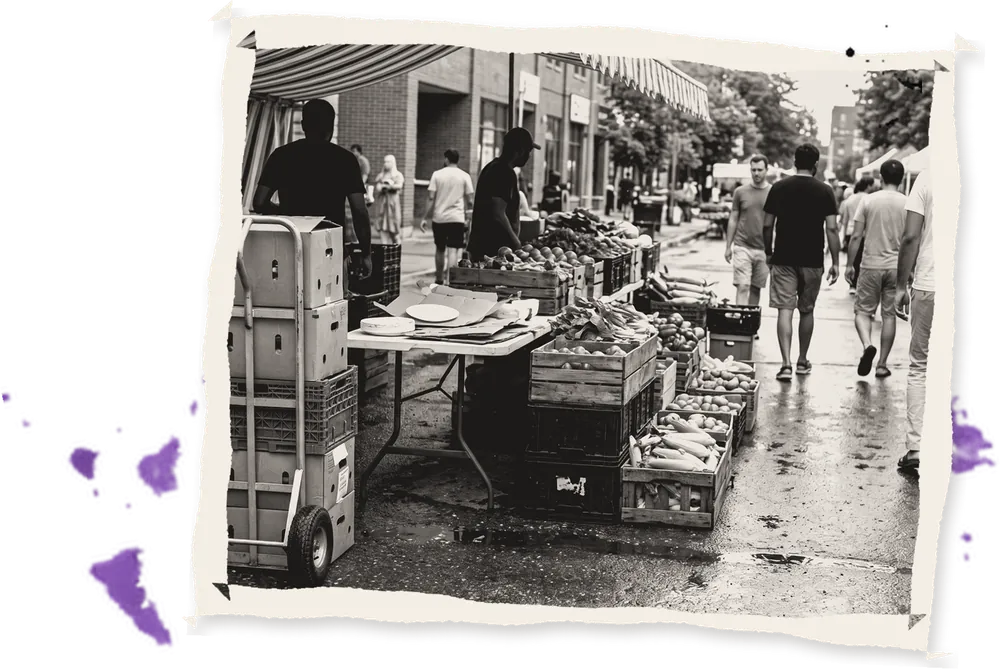
An argument that only ever flatters itself is worth nothing to the people we are asking for money, a permit or a weekend. So here is the other side of ours.
Stated plainly · reviewed every time this page changes
- We have not asked Ottawa yet. No resident survey, no focus group, no willingness-to-pay test, no registration-of-interest page has been run. Everything we believe about demand comes from the census, from festivals in other cities, and from national statistics whose last real measurement of festival attendance dates to 2016.
- We are building to a number we have never counted. The festival is sized for 8,000–12,000 visits across the two days, and that figure is the goal the programme, the site plan and the budget are built to reach. Ottawa's answer to it gets measured for the first time at the first edition, at the gate, and the count goes up here with its method beside it.
- The sector is having a hard two years. Ontario press through 2025 and 2026 records a nineteen-year-old festival in Port Credit cancelled after two major sponsors withdrew, and a sixteen-year-old Toronto waterfront festival pausing for the first time after losing a public grant. Rising insurance and security costs are named by organisers as the main pressure.
- Nothing about 2027 is booked. The date and the site are our proposal to the City and to the National Capital Commission, and neither has said yes yet.
Food, drink and craft sold at a community pavilion stay with the community in full. The pavilion fee is zero.
What we are doing about it.
Ottawa's own festivals are the reason this works, so the first year is built out of conversations with the people who run them and with the communities behind them.
Underway · autumn 2026
The order is deliberate. Communities first, because a pavilion belongs to the organisation that builds it and a festival with no pavilions is a poster. Then the permit, which fixes the date and the ground. Then vendors, performers and volunteers, who need both of those settled before they can commit a summer.
Alongside that runs the Cultures section — an article per community in this city, written with that community and published under its name. Those pages stand whether the festival happens or not, which is the point of writing them first.
Argue with this article.
If you ran a festival in this city, if you remember the Carnival of Cultures, or if you think the case above is wrong somewhere, we want the letter. Corrections change the page and get an answer.
Who wrote this.
Written by the Capital Cultures organisers, 27 August 2026. Updated 28 September 2026 for the move to September 2027.
Sources in the order they appear: our own audit of the published 2026 Ottawa festival calendar; the 2021 Census of Population, Statistics Canada, for every demographic figure; our research file on the Carnival of Cultures and on Capital Pride's 2014 bankruptcy; Ontario press reporting through 2025 and 2026 for the two cancellations named.
Version 2 · first piece in the journal · the argument gets updated as the evidence does