Journal · strand 02 · long reads
One person. One craft. One kitchen.
A city of many cultures is usually described in percentages. This strand describes it one person at a time: the woman who has baked the same bread for thirty years, the luthier who fixes instruments nobody else in Ontario can fix, the Saturday school in a church basement. Every piece is written with the person it is about and read by them before it goes anywhere.
One long read live · a piece every two weeks from autumn 2026 · current as of 29 August 2026
What is live today.
One piece. It sets the length, the sourcing and the tone the rest of the strand is held to.
One of one · the strand opens properly in autumn 2026
Published · read it before pitching us anything
| Line | State |
|---|---|
| Pieces live | 1 |
| Rhythm | One long read every two weeks, from autumn 2026 |
| Approval | The subject reads it before it publishes |
| Byline | The writer, and the person it is about |
| Links | Every piece into Cultures, and back out again |
| Payment | Contributors are paid; the rate is being set |
The four shapes a story takes.
Four kinds of piece, so a reader knows what they are getting and a contributor knows what to offer. A fifth shape arrives when somebody makes the case for it.
Four shapes · a long read runs long enough to say something
Four shapes · each links to at least one article in Cultures
A kitchen
A neighbourhood
A date in the calendar
A piece publishes once its subject has read the whole thing and said yes to it. Something they want removed comes out with no argument.
How a story gets written.
Six rules, and the first one is the reason the rest exist. Writing about somebody's culture without them is how well-meaning publications end up apologising.
House rules · a piece that breaks one does not publish
- The person reads it first. A piece publishes once its subject has read the whole thing and said yes to it. Something they want removed comes out with no argument.
- Their name is on it. The byline carries the writer and the person the story belongs to, and a community article carries whoever signed it off for that community.
- Their words stay their words. A quote is what somebody said. Nothing here is composed for effect, and nothing is tidied into an accent that was never there.
- Every figure names a source in the line. Census data says which census. An estimate says it is an estimate. A number without a source stays out.
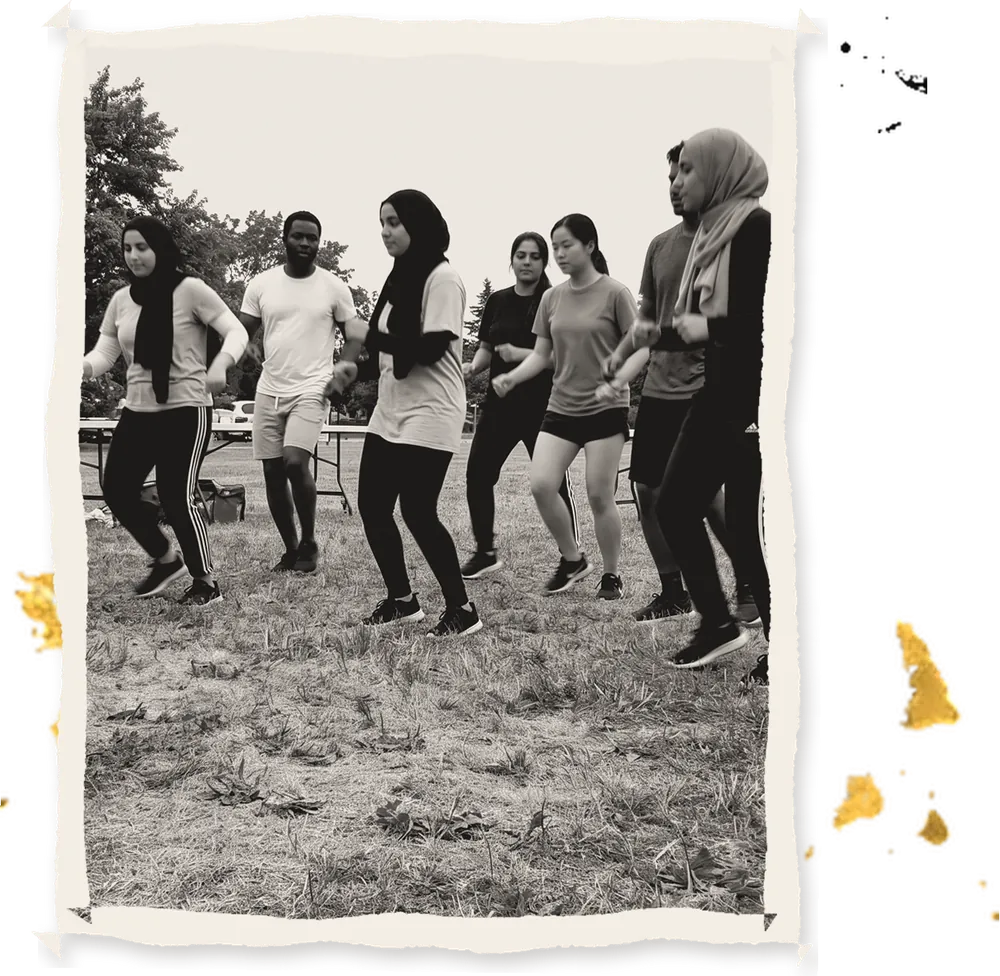
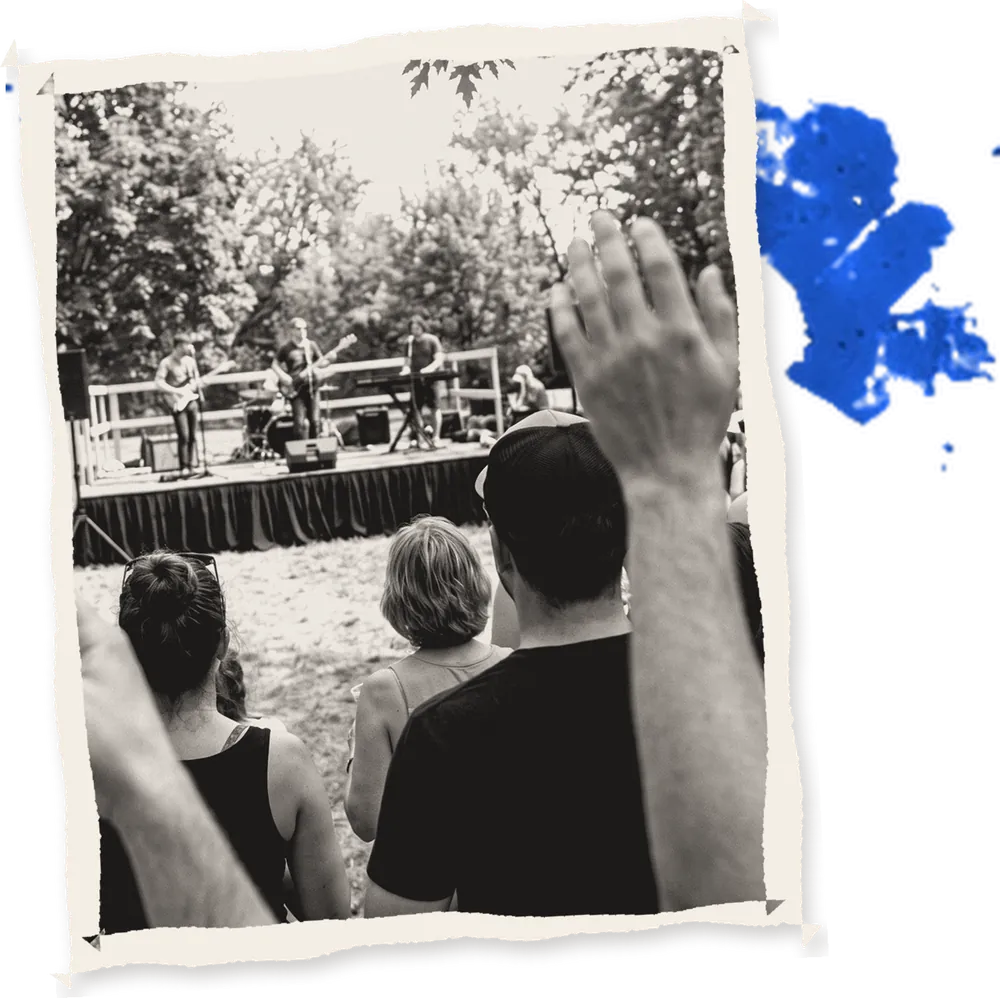
- Photographs are agreed, and credited. The subject knows which pictures are used and where, and whoever took them is named. A scene of the festival is an illustration of a weekend that has not happened, and the page it sits on says so.
- Contributors are paid. The rate is being set and publishes here with the first commissioned piece. Nobody is asked to write for the exposure.
Somebody in this city deserves writing up.
A cook, a tailor, a choir, a Saturday school, a shop that has sold the same spice for twenty years. Send the name and why it matters. We come and ask them ourselves, and nothing is published without their yes.
Intake 10 · story pitches · answered by a person
A long read every two weeks.
The stories list carries these pieces and nothing else. Three lists, three separate ticks, none of them ticked for you.
CASL · one-click unsubscribe on every letter
Can I write for you?
Yes. Send a pitch through the form above with your part marked as the writer, and a sample of something you have written. Contributors are paid, and the rate publishes here with the first commissioned piece.
Will you write about my business?
This strand writes about people and their work, and a business run by somebody with a craft qualifies on those terms. An advertisement does not, and a piece is never sold.
I do not want to be named. Can I still take part?
Tell us at the start. Some stories run under a first name or with a detail changed, on terms agreed with you before a word is written.
How long is a long read?
Long enough to say something and short enough to finish — roughly a thousand to two thousand words, with photographs and a source line for every figure.
Do these pieces mention the festival?
Only where the person does. The strand is about the city, and a story that becomes an advertisement for two days in August stops being worth reading.
Journal · strand 02 of 04
The rest of the journal.
Tell us who to ask.
The best pieces in this strand will come from a reader who knew somebody worth an afternoon.