01
The edition header
Year, the two dates it actually ran on, the venue it actually stood on, and the theme the communities chose for that year. Written on the Monday after, from the record of what happened.
About · the record of editions
Capital Cultures has run zero editions. This page is the shelf, built before there is anything to put on it: the shape of an edition page, the counting rules we are fixing in advance, and the date the first entry appears.
Status · 28 August 2026 · zero editions held · first entry planned for September 2027
| Edition | Dates | Status |
|---|---|---|
| 2027 | 7–8 August 2027 | Planned · subject to permits · page opens September 2027 |
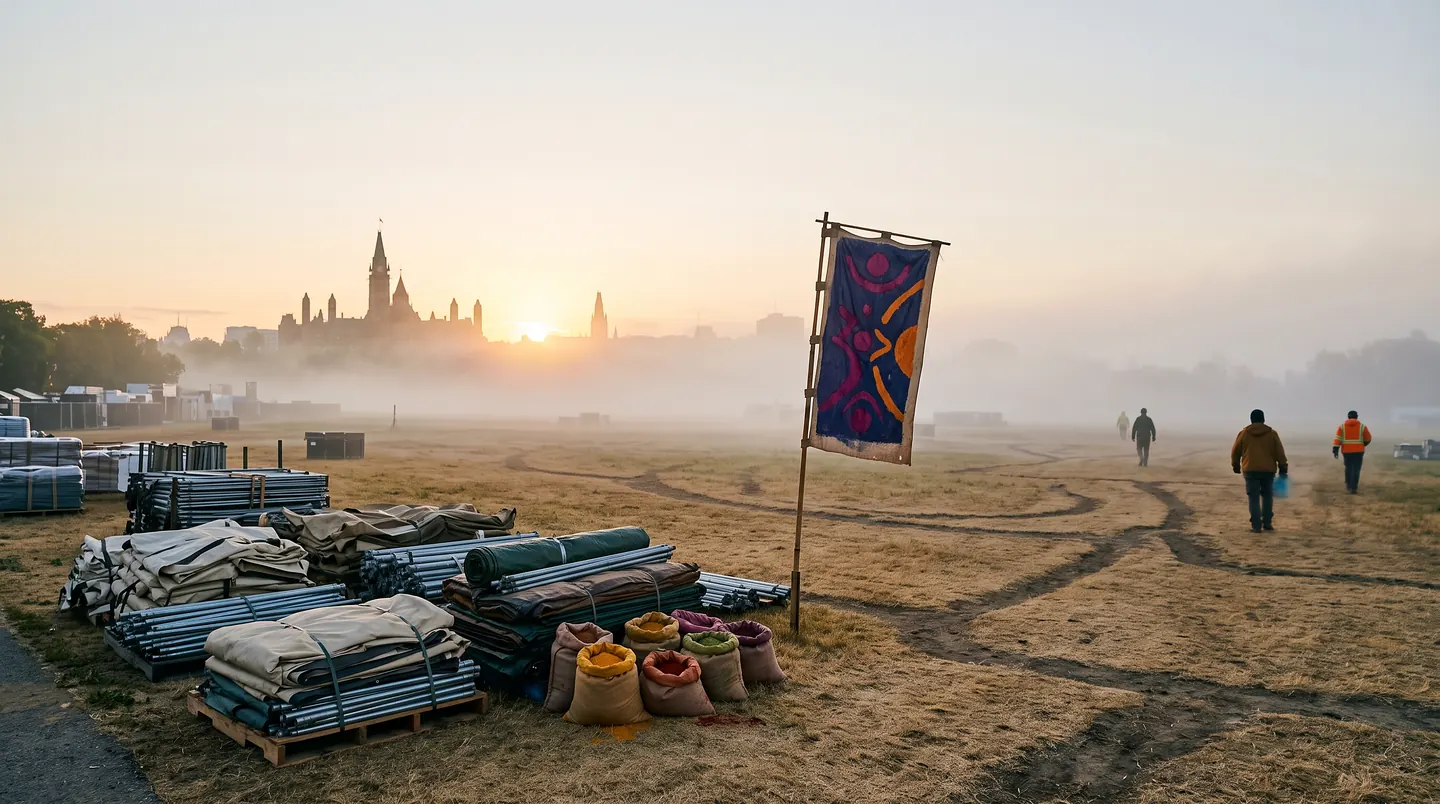
One page per edition, at /archive/2027, then a page a year after that. Nine blocks, in this order, every year the same. Here is the structure, with the content left empty until the day it is earned.
Template · one page per edition · first entry September 2027
Nine blocks · same order every year · empty until the edition happens
Attendance figures are the easiest thing at a free festival to inflate, and the hardest to defend a year later. The method is settled now, in public, while there is still nothing at stake in settling it honestly.
Decided in advance · the rule applies to every document we sign
A free festival has no ticket, so it has no automatic denominator. Every organiser fills that gap somehow, and the way it gets filled is what separates a number a funder can use from a number a funder quietly discounts. Ours is fixed here first, so the crew is trained for it before the gates open rather than after.
Visits are the unit of planning and of reporting on this site. Unique visitors get published as a separate figure with the survey behind them attached, because they come from a survey and a survey has a sample size that the reader is entitled to see.
| Term | What it means here | How it gets measured |
|---|---|---|
| Visit | One person entering once. The same person on both days counts twice. | Entrance counters plus an hourly crew headcount, on a schedule published beforehand. |
| Unique visitor | One person across the whole event. | An intercept survey on site, published with its method and its sample size. |
| Tourist | Travelled 40 km one way, or crossed into Ontario to be there. | Postal codes from the same survey. The definition belongs to the provincial programme. |
| Volunteer hour | One hour on a shift somebody signed for. | The shift sheet. Unsigned hours stay out of the total. |
Every funding body, every sponsor and every community organisation opens with a version of the same question: have you done this before, and what happened. The archive is where that question gets answered in one link.
The record is a working document · built for the next application
A first-year festival stands at the worst point of a loop. Funding wants a track record, and a track record wants funding. The way through it runs on evidence: state the method before the event, measure honestly during it, publish everything within a month of it, and arrive at the next application with a page instead of an anecdote.
An archive built after the fact is a scrapbook assembled from whatever survived. An archive designed before the fact tells the crew what to record on the day — which sheets to keep, which frames to shoot, which questions to ask a visitor while she is standing in front of you and never again.
Editions in this archive
Capital Cultures has held no festival. Zero is the honest figure today, it is printed here at full size, and it changes exactly once — in September 2027, if the first edition runs.
Capital Cultures · status on 28 August 2026
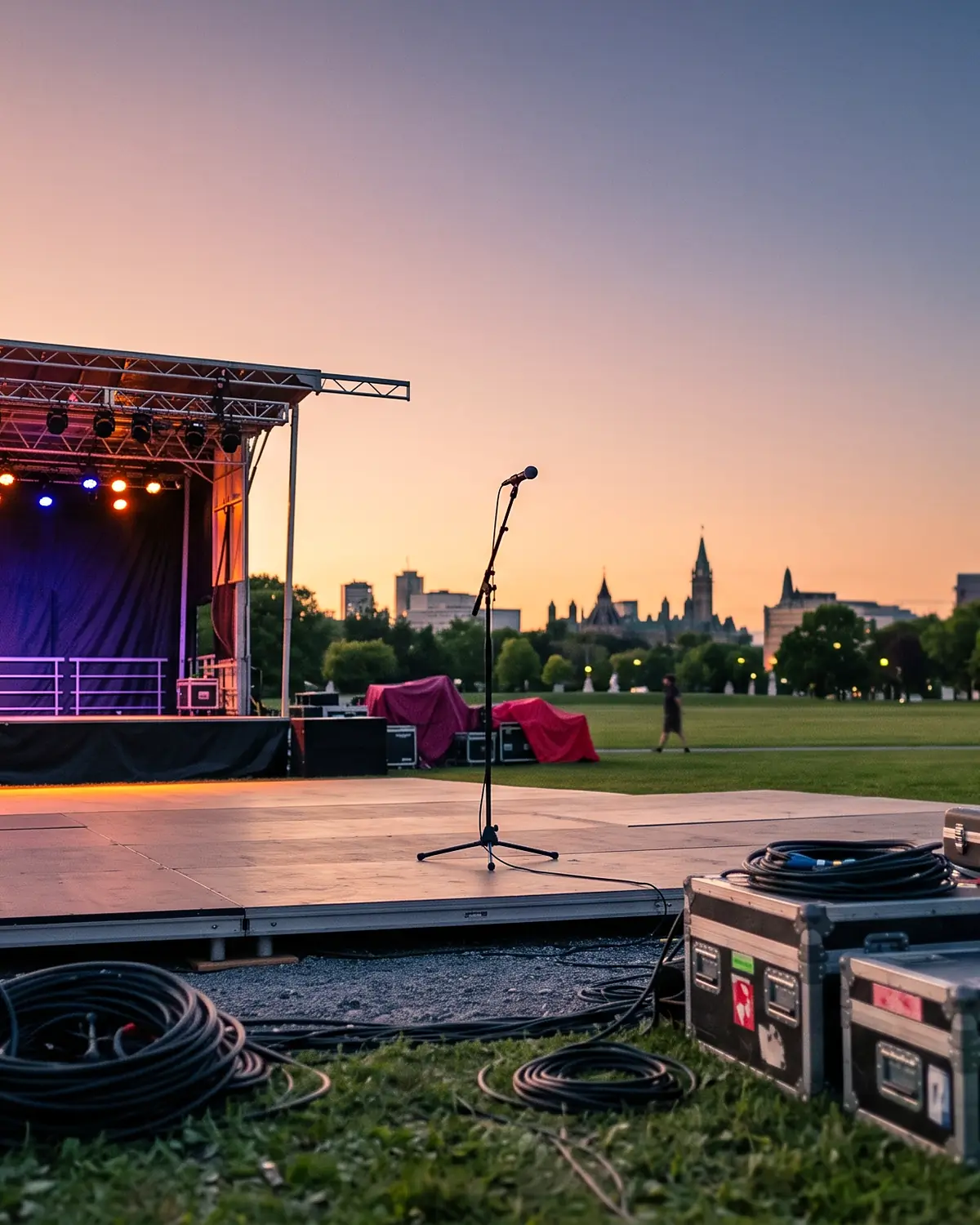
Five steps stand between this page and its first edition. Four of them are ours to take.
Timeline · updated the day any line on it changes
The first sentence in this archive will be a number with its method attached.
The mailing list is the only channel open today. Subscribers hear the first edition dates when the permits land, and get the archive page the week it goes up.
Intake 01 · consent per mailing type, one click out